
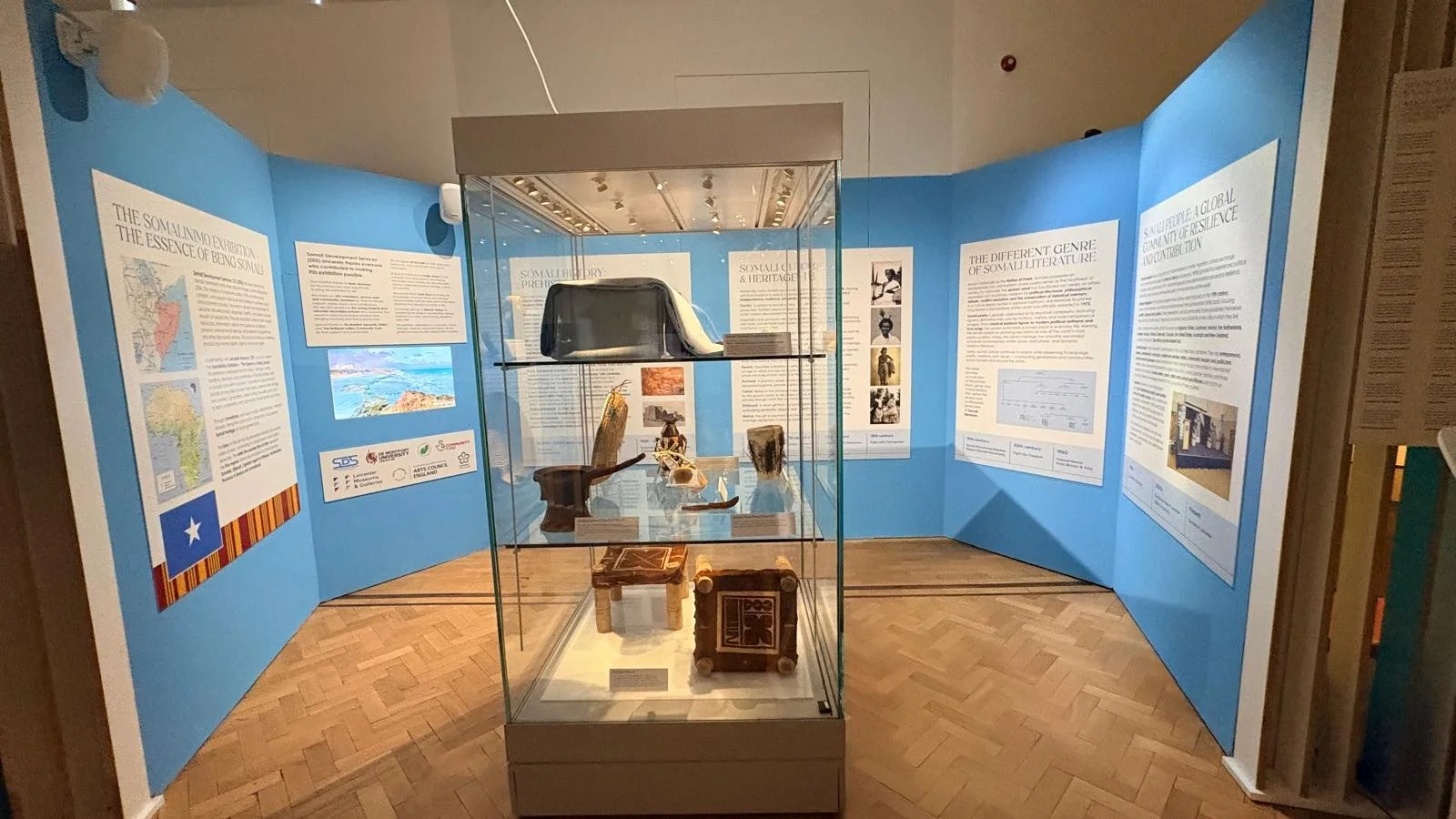
The Somalinimo Exhibition - The Essence of Being Somali
18 October 2026 - 09 February 2027
Free
Opening Hours
Monday to Friday: 11am - 4.30pm
Saturday and Sunday: 11am - 5pm
Bank holidays: 11am - 4.30pm
Address
Leicester Museum & Art Gallery
53 New Walk
Leicester LE1 7EA
More Information
Event Details – Leicester Museums
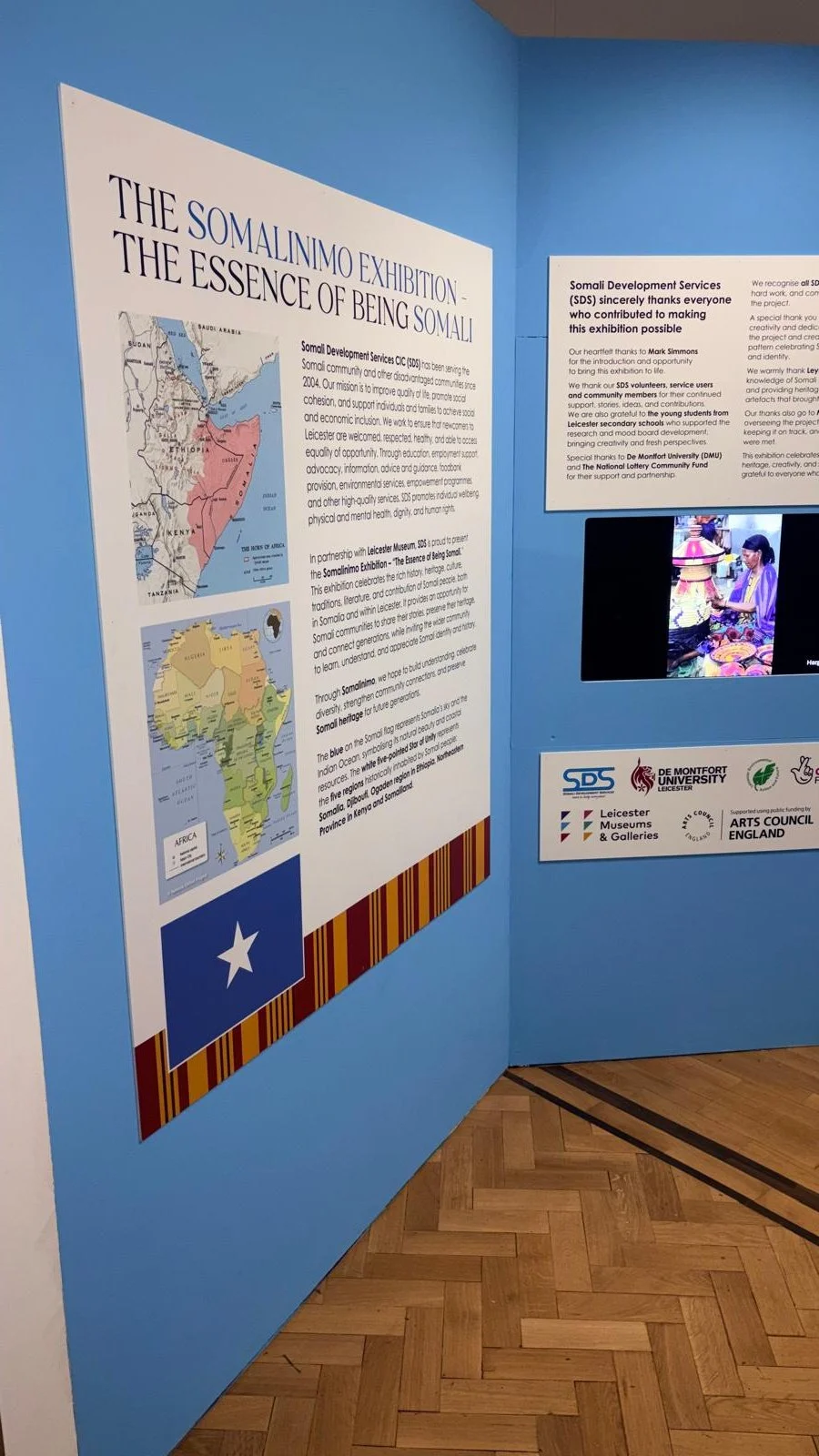
Somali Development Services CIC (SDS), in partnership with Leicester Museums & Galleries, proudly presents The Somalinimo Exhibition – The Essence of Being Somali.
The exhibition celebrates the rich history, heritage, culture, traditions and identity of Somali people. It highlights Somali literature, history and contributions, both in Somalia and within the Leicester community.
The exhibition offers a valuable opportunity for Somali people to share their experiences, stories and cultural heritage, helping to preserve traditions and strengthen connections between generations. It also welcomes the wider community to explore, learn about and gain a deeper appreciation of Somali culture and identity.
Established in 2004, Somali Development Services CIC (SDS) has been supporting the Somali community and other disadvantaged communities in Leicester. Through its work, SDS aims to improve quality of life, strengthen community relationships and help individuals and families access opportunities for social and economic inclusion.
SDS is committed to ensuring that newcomers to Leicester feel welcomed, valued and respected, with access to the support and opportunities they need to build healthy, positive and fulfilling lives.
Discover Somali Heritage Through Everyday Objects
Explore a collection of traditional Somali artefacts and objects that tell the story of everyday life, family, culture, music, farming and traditions passed down through generations
A Journey Through Somali Life, Culture and Traditions
LIFESTYLE
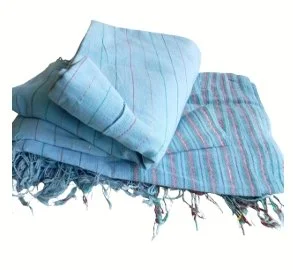
Alindi (Somali Traditional Fabric)
Two-piece collection: Part A – Garbasaar (scarf) and Part B – Guntiino (dress)
Traditionally worn daily in the Guntiino style—tied at the left shoulder, wrapped across the hip and tucked in. Today, it is worn mainly for special occasions, including weddings.
Hand-woven by women and men
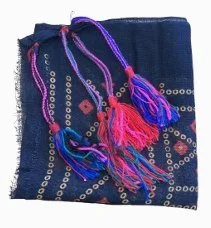
Shaash (Square Scarf)
Square scarf worn by married women as a head covering. Traditionally presented and wrapped on a bride by married women in the community after her wedding.
Hand-woven by women and men
Home
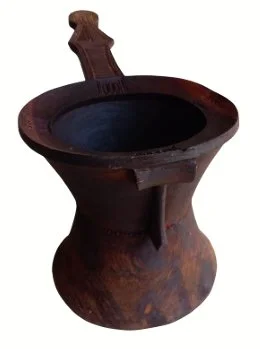
Kurbin/Xeero/Xeedho (Bowl)
Wooden bowl used to prepare and serve Bun (fried coffee beans), often enjoyed with Cambuulo and Daango (popcorn). Traditionally served to guests as a treat during ceremonies.
Hand-carved by men
Furniture
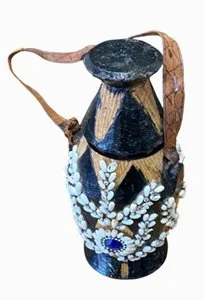
Dhiil (Food Container with Lid)
Wooden container with a removable lid and leather strap, traditionally used by nomadic communities to carry milk and feed babies while travelling. Today, it is also used as home décor.
Hand-carved by men
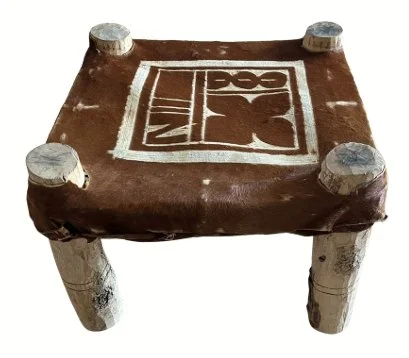
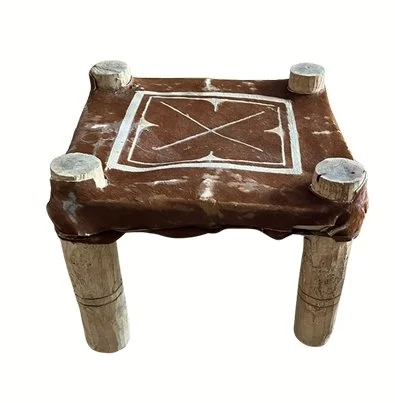
Gambar (Stool)
Low wooden stool with cowhide stretched over a wooden frame and secured with leather. Part of a two-piece collection, used in Somali homes during cooking and household chores, allowing users to sit close to the ground comfortably.
Hand-carved by men
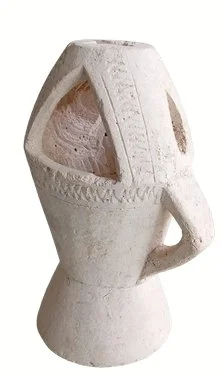
Idil/Dabqaad (Incense Burner)
Traditional Somali incense burner, carved from meerschaum (sepiolite) stone sourced from El Buur, Somalia. Used with hot charcoal to burn aromatic resins, scenting homes, clothing and gatherings. Somali incense resins are sourced from different native trees and are highly valued for their quality.
Hand-carved by men
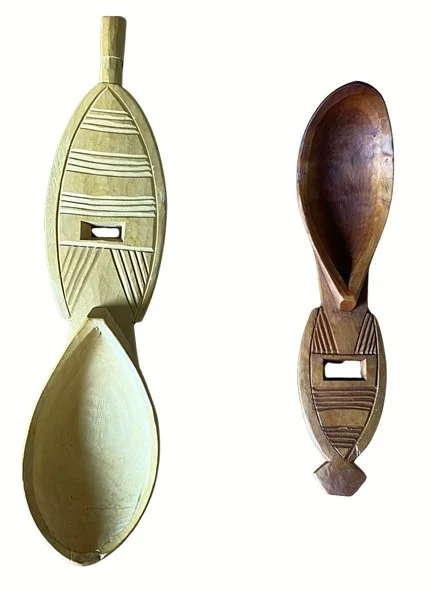
Qarsin/Fandhaal (Spoon)
Large and Small wooden spoon, a two-piece collection, hand-carved from a single piece of wood with a decorative handle.
Hand-carved by men
Music
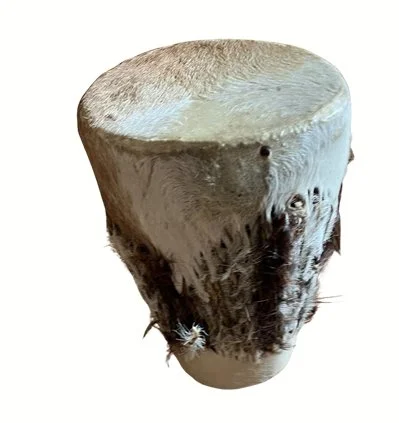
Durbaan (Drum)
Traditional Somali drum made from cowhide stretched over a wooden frame and secured with natural plant-fibre thread. A widely used instrument accompanying Somali oral poetry, singing, clapping and dancing at weddings.
Hand-carved by men, with the leather drum cover also made by men
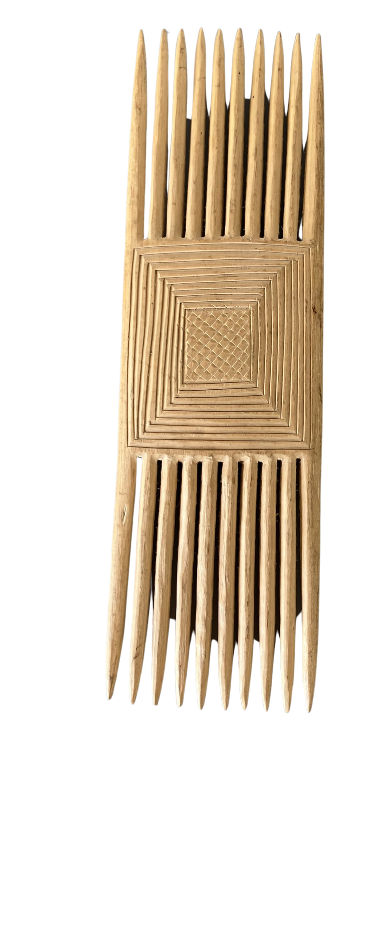
Shanlo/Saqaf (Hair Comb)
Wooden comb carved from a single piece of wood, traditionally worn by men in the hair as a decorative fashion accessory.
Hand-carved by men
Farming
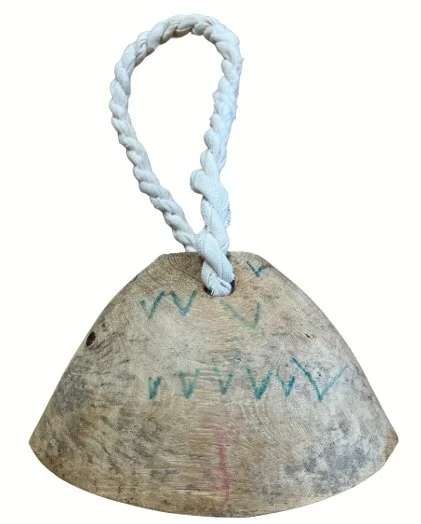
Koor (Camel Bell)
Wooden bell worn by camels to help shepherds track their movements. Its sound acts as a traditional form of GPS navigation for rural communities.
Hand-carved by men
We would love to hear what you think about the exhibition!
Have you visited The Somalinimo Exhibition? We would love to hear about your experience, thoughts and reflections. Share what you enjoyed, what you learned and what the exhibition means to you. Your feedback helps us celebrate Somali heritage, preserve our stories and inspire future generations.